
The digitalization of education has been a topic of debate in recent years, with proponents arguing that it is the need of the hour while opponents cautioning that it can be a double-edged sword. In my talks and conversations with fellow educators I have tried to explore both sides of the argument to understand the complexities of this issue.
On one hand, digitalization of education offers numerous benefits. It can make learning more accessible and flexible, allowing students to access educational resources and materials from anywhere at any time. This can be especially beneficial for students in remote areas – rural schools or those with limited access to traditional educational institutions.
Furthermore, digitalization can enhance the learning experience by providing interactive and engaging content. Educational apps, online quizzes, and multimedia presentations can make learning more enjoyable and effective, catering to different learning styles and preferences.
Digitalization also has the potential to personalize learning, allowing students to learn at their own pace and focus on areas where they need the most help. Adaptive learning technologies can assess a student’s strengths and weaknesses and tailor learning materials, accordingly, providing a more customized learning experience.
Moreover, digitalization can help bridge the gap between education and the real world by providing students with practical skills and knowledge that are relevant to today’s digital age. This can better prepare students for the workforce and equip them with the skills they need to succeed in a rapidly changing world.
On the other hand, digitalization of education comes with its own set of challenges and risks. One of the main concerns is the digital divide, where students from disadvantaged backgrounds may not have access to the necessary technology or internet connection to fully benefit from digitalized education. This can further widen the gap between the haves and the have-nots, creating a more unequal educational landscape. Which is one realisation I have had in my interactions with educators in rural setups and the underserved sections of the students and I thus have taken up digitalisation of the classrooms in schools where my work and expertise is welcome through my NGO – Build a Better Future. (https://www.bbflife.in/)
Another concern is the potential for digitalization to lead to a depersonalization of education, where students are more focused on screens and devices rather than human interaction. This can have negative impacts on social and emotional development, as well as on the quality of relationships between students and teachers. A unique problem being faced across sections of society and leading to a large-scale psychological issue of disturbed parent-child relationships.
Furthermore, there are concerns about the quality and reliability of digital educational materials. With the abundance of online resources available, it can be difficult for students and teachers to discern which sources are credible and accurate. This can lead to misinformation and a lack of critical thinking skills. Also, the most concerning lacunae is the training of the staff members in the proper usage of the resources.
The digitalization of education is a complex issue with both benefits and challenges, yet it has the potential to enhance learning and make education more accessible, while at the same time it also comes with risks such as the digital divide and depersonalization of education. It is therefore important for policymakers, educators, and parents to carefully consider all these factors and ensure that digitalization is implemented in a way that maximizes its benefits while mitigating its risks.
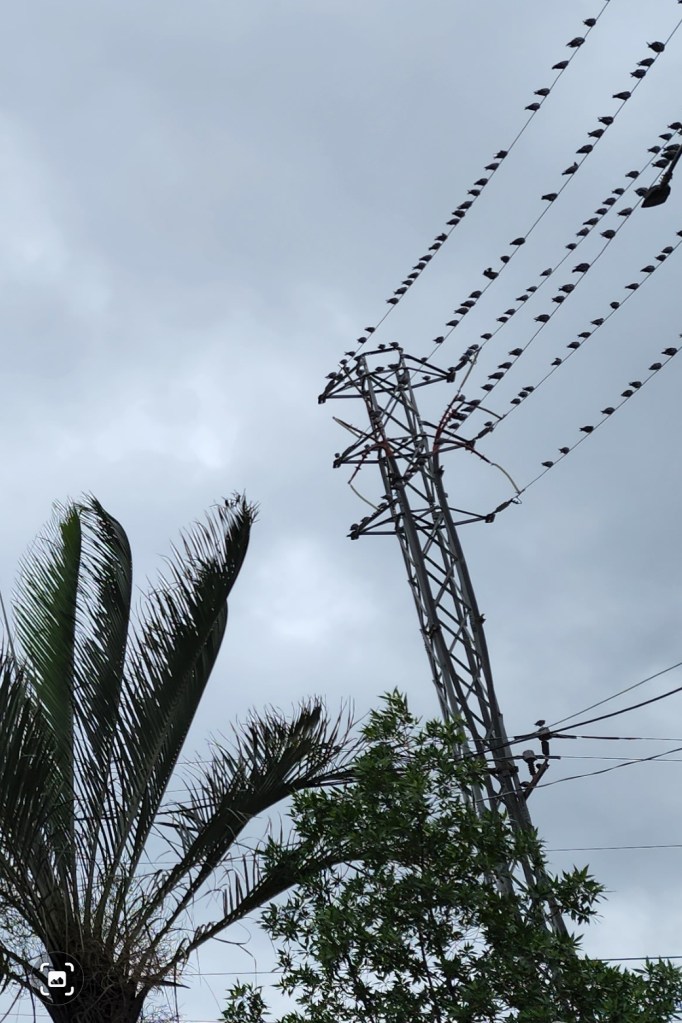
These pigeons are lined up atop an extremely busy intersectional road, after their morning round of grains from friendly visitors who visit the national park in the middle of our city – waiting for the evening to dwell and new set of visitors to feed them their beloved grains.
 Wickedlyours
You must be logged in to post a comment.